
RESPONSIBLE TREKKING IN NEPAL
Responsible trekking isn’t a marketing term — it’s a set of choices an operator makes every day, from who they hire and how much they pay them, to where your money ends up once you’ve gone home. In the Lower Manaslu region, where Himalayan Guiding Australia has been running treks since 2015, we’ve seen firsthand what good and bad tourism does to a community. The villages of Dharepani and Sirandanda aren’t just a backdrop for our treks — they’re places our guides call home, and places we’re accountable to year-round.
Click here for what we’d encourage you to look for in a Nepal trekking operator.
OUR APPROACH
Responsible trekking isn’t something we added to our website after the fact — it’s the reason HGA exists. When Seane first began guiding in the Lower Manaslu region in 2015, he made a deliberate choice to work in one place rather than spread across the popular circuits. That decision meant building real relationships with the communities of Dharepani and Sirandanda, returning to the same villages and trails season after season, and being accountable to the people who live there long after our trekkers fly home.
What that looks like in practice: our guides aren’t contracted for a single trip — they’re part of the HGA team year-round. The teahouses and lodges we stay in are locally owned. The food we eat comes from village markets. The money you spend on a trek with us circulates through those communities in ways it simply doesn’t with operators running high-volume tours through Kathmandu agencies.
RESPECT FOR THE ENVIRONMENT
The Himalayan environment is under real pressure. Popular trekking routes — Everest Base Camp, Annapurna Circuit — are dealing with waste crises, overcrowded trails, and an infrastructure that can’t keep pace with tourism demand. The Lower Manaslu region, where we work, is quieter and more fragile for it. Protecting it isn’t optional for us.
On every HGA trek we follow these practices without exception:
➡️ We leave every campsite better than we found it — we carry out all rubbish, including waste left by others.
➡️ We minimise packaging and buy locally wherever possible, reducing both waste and supply chain emissions.
➡️ We use toilet tents and properly dispose of all human waste — no exceptions, regardless of conditions.
➡️ We never litter on trails or in villages, and we ask our trekkers to hold to the same standard.
➡️ We don’t give sweets or money to children — it’s a small thing that makes a significant difference to how communities relate to trekking groups over time.


Ready for an adventure in Nepal?
Explore our carefully curated treks and retreats that prioritise sustainability, community support, and authentic Himalayan experiences.
FAIR TREATMENT OF OUR STAFF
The trekking industry has a well-documented problem with how it treats porters and local guides. Wage theft through agency commissions, inadequate gear at high altitude, tips pooled and siphoned off before they reach the people who earned them — these aren’t rare exceptions, they’re common practice. We’ve built HGA specifically to work differently.
Every member of our Nepali team is paid directly by HGA at or above market rate — no agency middlemen taking a cut. They receive full insurance cover including casual porters, proper gear appropriate to the altitude and conditions, three meals a day on trek, and tips distributed transparently and equally among all staff. Our senior guides — Sandesh, Raju, and Kuli — have been with us for between five and nine years. That kind of continuity doesn’t happen by accident.
RESPECT FOR NEPALESE CULTURE & PEOPLE
The Lower Manaslu region sits well outside the tourist infrastructure of Kathmandu and the major trekking hubs. The villages we pass through are places people live and work — not attractions. We ask our trekkers to approach them the same way.
In practice that means dressing and behaving respectfully according to local expectations, particularly in monasteries and village homes. It means not giving money to beggars or sweets to children — however well-intentioned, both practices create dynamics that affect how communities relate to trekking groups long after we’ve left. And it means that any collective donations we make to villages are channelled through women’s groups, which research consistently shows leads to better outcomes for families and the broader community.


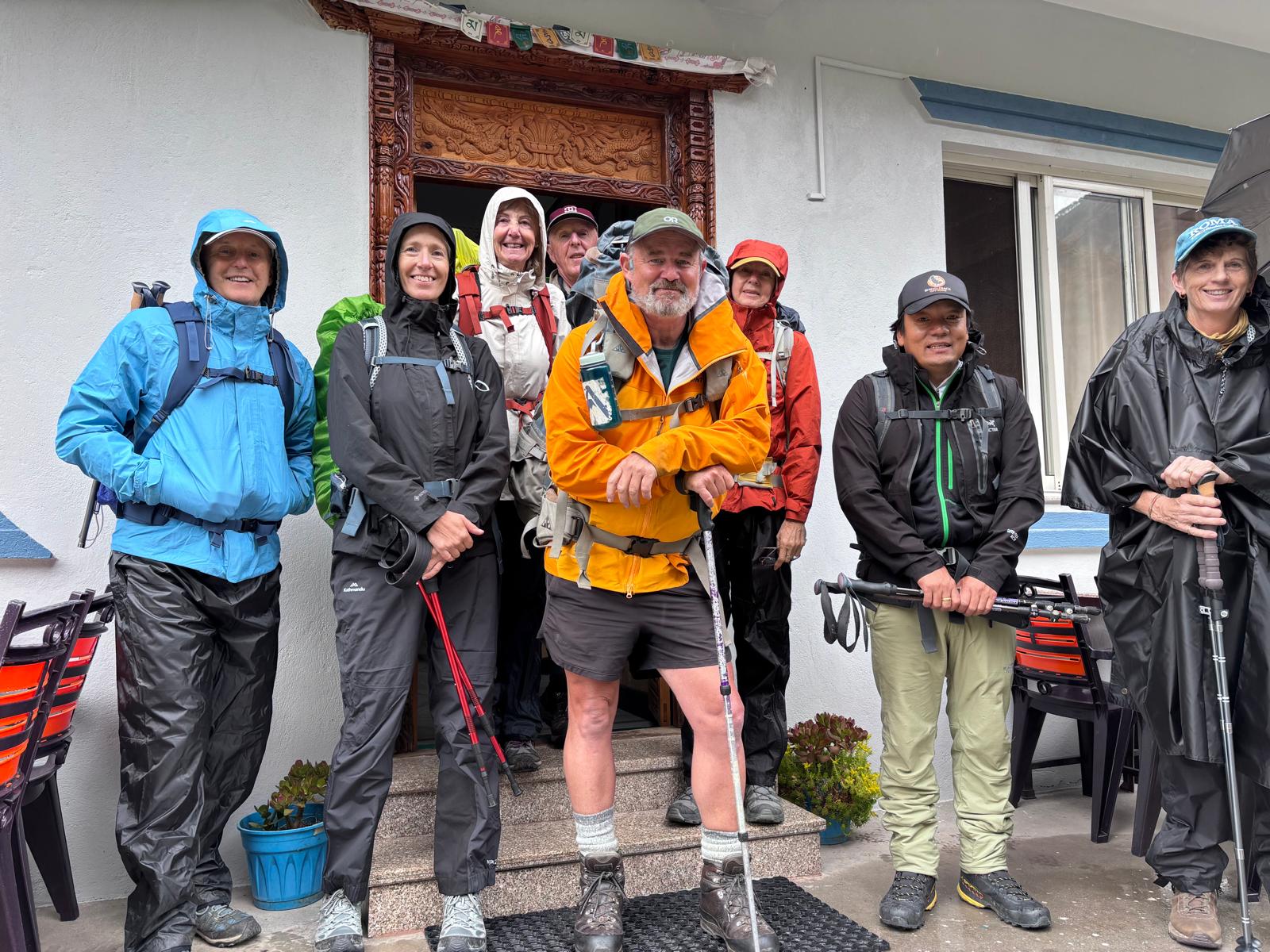
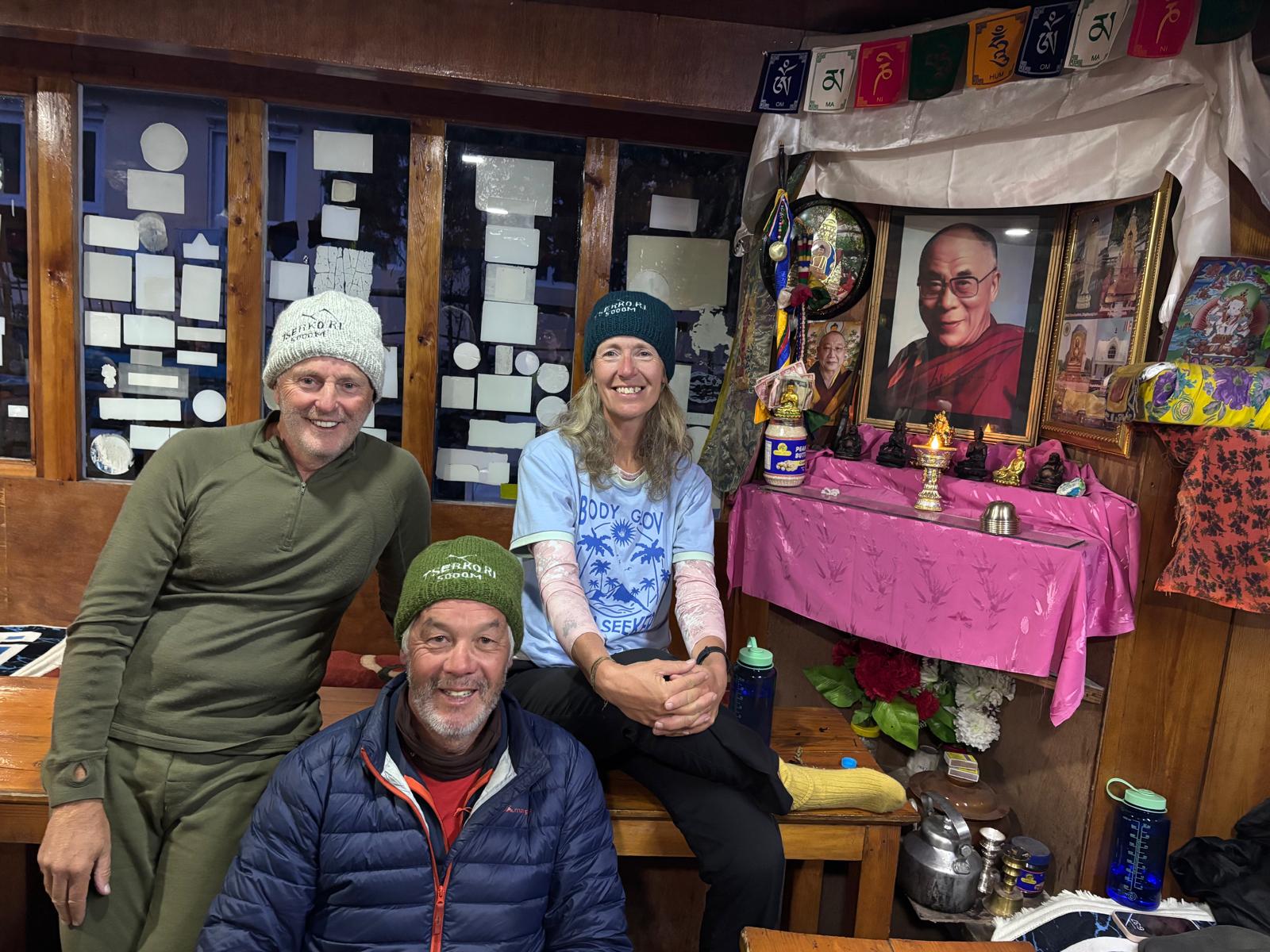
Want to know more about our team?
We are a small Australian-owned company with strong values and deep connections in Nepal.
OUR COMMUNITY PROJECTS
The 2015 Gorkha earthquake hit the Lower Manaslu region hard. In Dharepani and Sirandanda — the villages that anchor most of our treks — homes, schools, and community buildings were damaged or destroyed. In the years since, HGA has been part of the reconstruction effort, not as a one-off fundraising campaign but as an ongoing commitment.
Current projects include the construction of a community lodge and multipurpose training facility in Dharepani — a space that will generate local income and provide a base for the Himalayan Guiding Institute’s guide training program — and continued infrastructure support in Sirandanda. Since 2020, donors from Australia have contributed over $28,000 to these projects directly.
If you’d like to support this work independently of booking a trek, you can donate directly. Every dollar goes to the community — we publish a spending breakdown every six months so you can see exactly where it goes.
OUR PROMISE
When you book a trek with HGA, you’re not just buying an itinerary. You’re choosing an operator that pays its staff fairly, works with communities rather than through them, treads carefully in a fragile environment, and stays accountable to the region it works in — not just during trekking season, but year-round.
If you ever want to know more about how we operate — our staff wages, our community project spending, our environmental practices — ask us. We’ll give you a straight answer.
WHAT TO LOOK FOR IN A RESPONSIBLE NEPAL TREKKING OPERATOR?
Not all trekking operators work the same way in Nepal. The gap between responsible and extractive tourism often isn’t visible from a website — so here are the questions worth asking before you book.
Do they hire and pay local guides fairly?
The foundation of a responsible trekking operator is fair wages for Nepali staff. Ask whether your guides are employed directly or contracted through a third party, whether they receive a base wage or tips-only income, and whether they’re paid during off-season or only per trek. At HGA, our guides and porters receive a fixed annual salary regardless of how many treks run.
Are porters treated with basic dignity?
Porter welfare is one of the most overlooked issues in Nepal trekking. Industry standards set by the International Porter Protection Group require operators to ensure porters have adequate clothing for high altitude, aren’t carrying loads over 20kg, and have access to the same shelter and food as trekking clients. Ask your operator directly whether they follow these standards.
Does money stay in local communities?
Large international trekking agencies often funnel profits offshore, with very little remaining in Nepal. Responsible operators use locally owned teahouses and lodges, buy food from village markets rather than importing supplies from Kathmandu, and employ staff from the communities you pass through. Ask where your trek fees actually go.
What’s their environmental practice?
Responsible operators have a clear policy on waste — no single-use plastics, waste carried out rather than buried or burned, and trails left in the same or better condition than found. If an operator can’t explain their waste policy, that tells you something.
Are they transparent about their structure?
A responsible operator should be able to tell you clearly whether they’re registered in Nepal, who their in-country partners are, and how complaints or emergencies are handled. Vague answers here are a red flag.
Do they give back beyond the trek?
The best operators maintain a relationship with the communities they trek through — not just during trekking season. Whether that’s supporting local schools, funding infrastructure, or providing off-season welfare for their staff, long-term community investment is the mark of an operator who sees Nepal as a partner, not a backdrop.