
Responsible Trekking in Nepal: What Every Australian Trekker Needs to Know in 2026
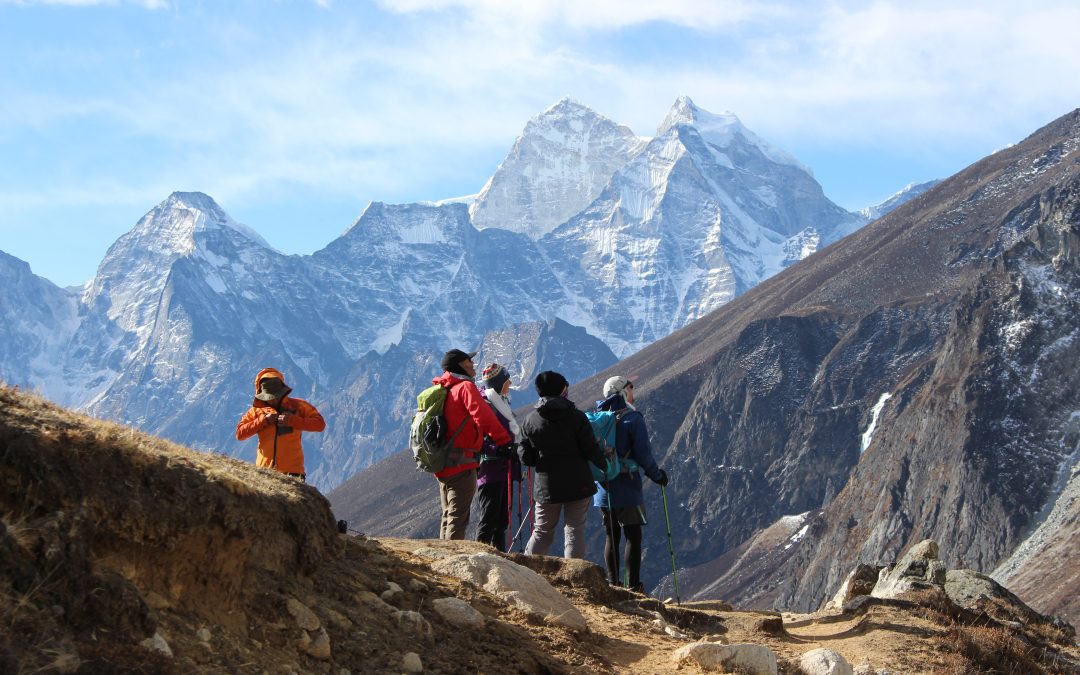
If you’re planning to head to the Himalayas this year, responsible trekking in Nepal is no longer just something the eco-conscious crowd talks about. It’s become a practical necessity — one that’s shaping the rules, the culture, and the experience of trekking in Nepal right now.
The country drew well over 400,000 international trekkers in 2025, and 2026 is shaping up to be even busier. That’s a lot of boots on trails that were never built for that kind of traffic. And while tourism is genuinely vital to Nepal’s economy — for many mountain communities, it’s the only real source of income — the pressure it places on the environment, local culture, and trail infrastructure is real and growing.
So what does responsible trekking in Nepal actually look like in practice? Not the vague “leave no trace” platitudes, but the concrete, on-the-ground reality of trekking with integrity in 2026.

The Rules Have Changed — And That’s a Good Thing
One of the most significant shifts in recent years is the mandatory guide policy, which has been strictly enforced across all major trekking routes since 2026. Solo trekking for foreign visitors is now officially banned on routes including Langtang Valley, the Annapurna Circuit, and the Everest region.
It’s a change that’s divided opinion online. Some trekkers see it as an unwelcome constraint on freedom. But look at the data and the reasoning becomes harder to argue with. Between 2015 and 2025, search and rescue operations for unguided foreign trekkers increased by nearly 40%. Altitude sickness, poor navigation, and disappearances on remote routes put enormous strain on local emergency services — and cost lives.
From a responsible trekking standpoint, the guide requirement also makes a lot of sense economically. Every licensed guide employed on the trails is supporting a family in a mountain community. Licensed guide fees currently sit around USD $25–30 per day, and porter fees start at around USD $10–15 per day. When that money flows through ethical operators who pay fairly, it stays where it’s needed most.
The TIMS card system has also been overhauled. The old Trekkers’ Information Management System card has been replaced in many regions by a new permit structure, with fees directed toward trail maintenance, waste management, and ecosystem protection. It’s not perfect, but it’s a step toward funding the infrastructure that responsible trekking in Nepal actually requires.
The Plastic Problem Is Worse Than You Think
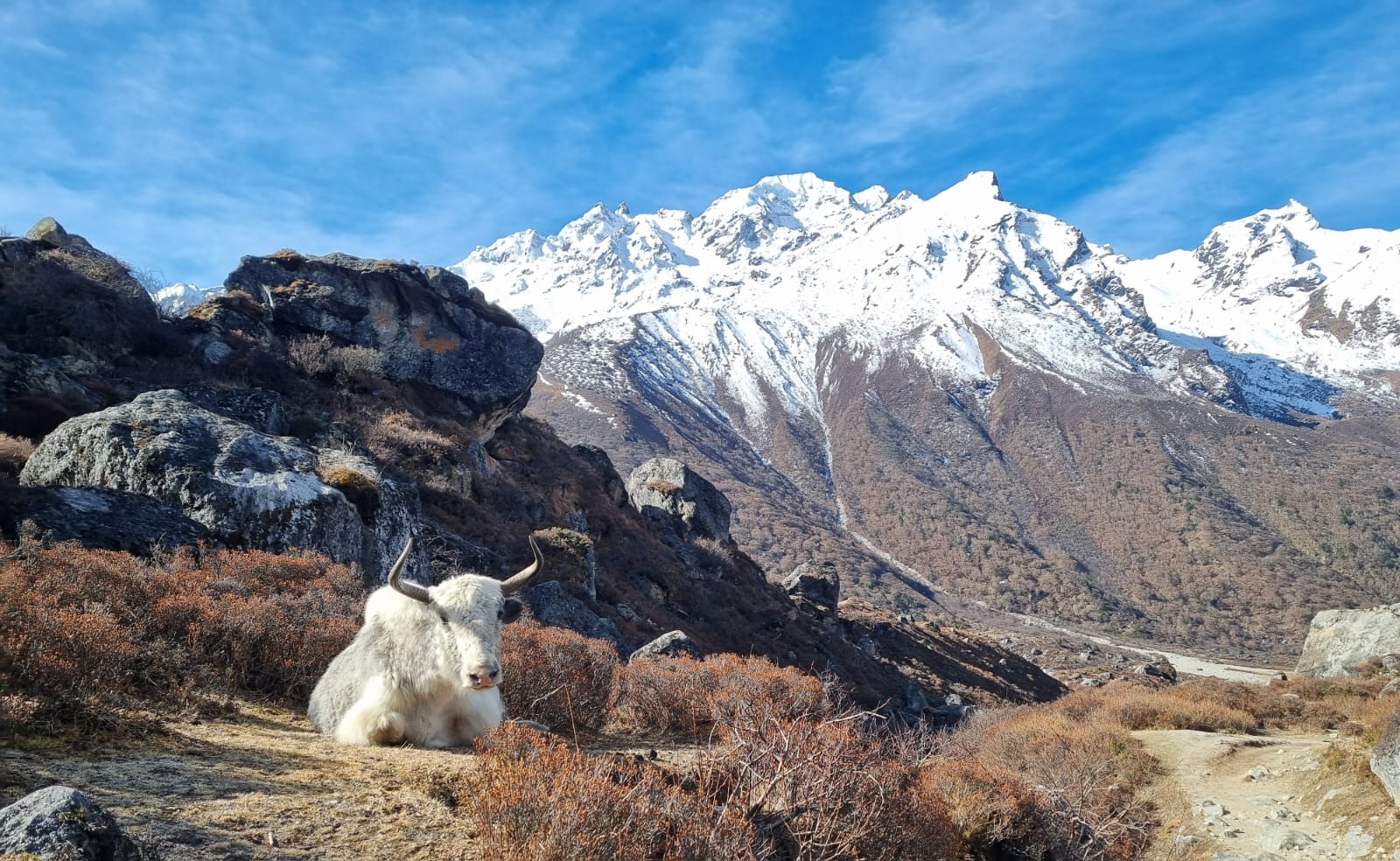
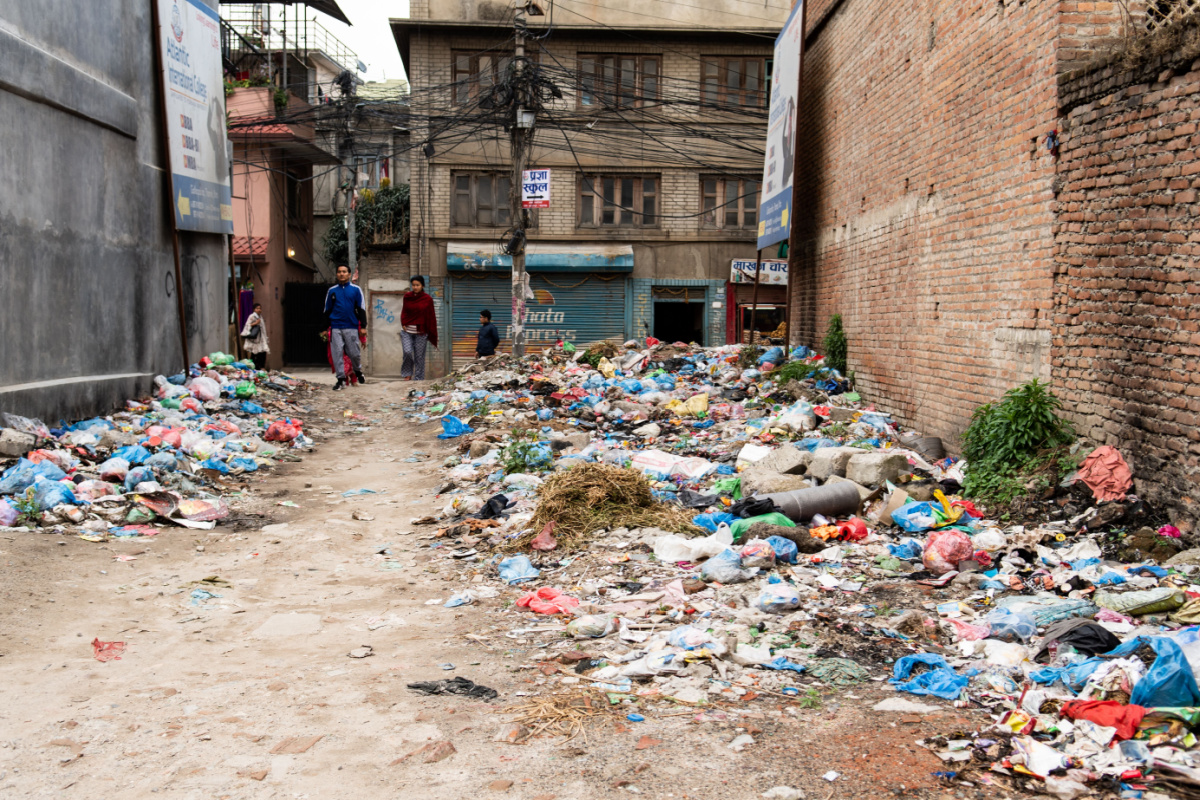
Here’s something that catches a lot of visitors off guard: Nepal doesn’t have a functioning plastic recycling system. Most of what gets thrown away either ends up in a waterway or gets burned. That single fact should change how you pack and how you move through the mountains.
Popular trails in the Everest and Annapurna regions have been particularly hard hit. Everest Base Camp now enforces an 8kg waste carry-out rule for climbers going above the base, and a ban on single-use plastics has been in place in the Khumbu region for several years. But enforcement is patchy, and lesser-known trails — including some of the most beautiful — often have no waste infrastructure at all.
For anyone serious about responsible trekking in Nepal, the basics aren’t complicated:
Bring a quality water filter or purification tablets. Buying plastic bottles at altitude is expensive anyway — a good filter pays for itself in a week and eliminates a significant waste problem.
Pack out everything you pack in. Wrappers, tissues, batteries, packaging — all of it comes home with you or goes into a designated collection point if one exists.
Choose your teahouse carefully. More lodges along established routes are now solar-powered or using biogas, and many have made conscious decisions to reduce single-use plastic. Ask your guide — they’ll know which ones are making the effort.
Porter Welfare: The Part Most Trekkers Don’t Know to Ask About
This one matters, and it often gets overlooked.
Porters are the backbone of Himalayan trekking. Without them, the experience as most people know it simply doesn’t exist. And yet, historically, porters have been among the most exploited workers in the trekking industry — carrying heavy loads without adequate clothing, footwear, insurance, or protection against altitude sickness.
A porter who ordinarily lives and farms at 1,000m can be hired to carry loads to 4,000m or higher. At those altitudes, without proper gear and acclimatisation, altitude sickness is a serious and life-threatening risk.
Ethical trekking operators — and this is something worth asking directly when you’re choosing a company — provide porters with appropriate warm clothing, good footwear, sunglasses, and insurance. Load limits should be capped at around 20–25kg. Porters should not be left behind when conditions deteriorate.
If a trekking company is offering a price that seems suspiciously low compared to the competition, that saving is almost certainly coming out of someone’s pocket — and it’s usually the porter’s.
Responsible trekking in Nepal means asking these questions before you book, not after you arrive.
Choosing the Right Route for the Right Reasons
One of the most overlooked aspects of trekking responsibly is simply where you choose to go.
The Everest Base Camp trek and the classic Annapurna Circuit are extraordinary, but they’re also carrying the weight of enormous visitor numbers. Crowding on these trails creates real problems — for the environment, for the trail infrastructure, and honestly, for the experience itself.
Routes like the Langtang Valley, off-season Mera Peak expeditions, and the Himalayan Sacred Lakes trek offer something different: genuine remoteness, authentic village life, and far less pressure on the local ecosystem. They also tend to direct money into communities that see far fewer tourist dollars than the flagship routes.
This doesn’t mean avoiding the classics — it means being thoughtful about timing, group size, and who you’re booking with. Small-group trekking with an operator that has real connections to local villages makes a meaningful difference to where the economic benefit actually lands.
The Cultural Side of Responsible Trekking in Nepal
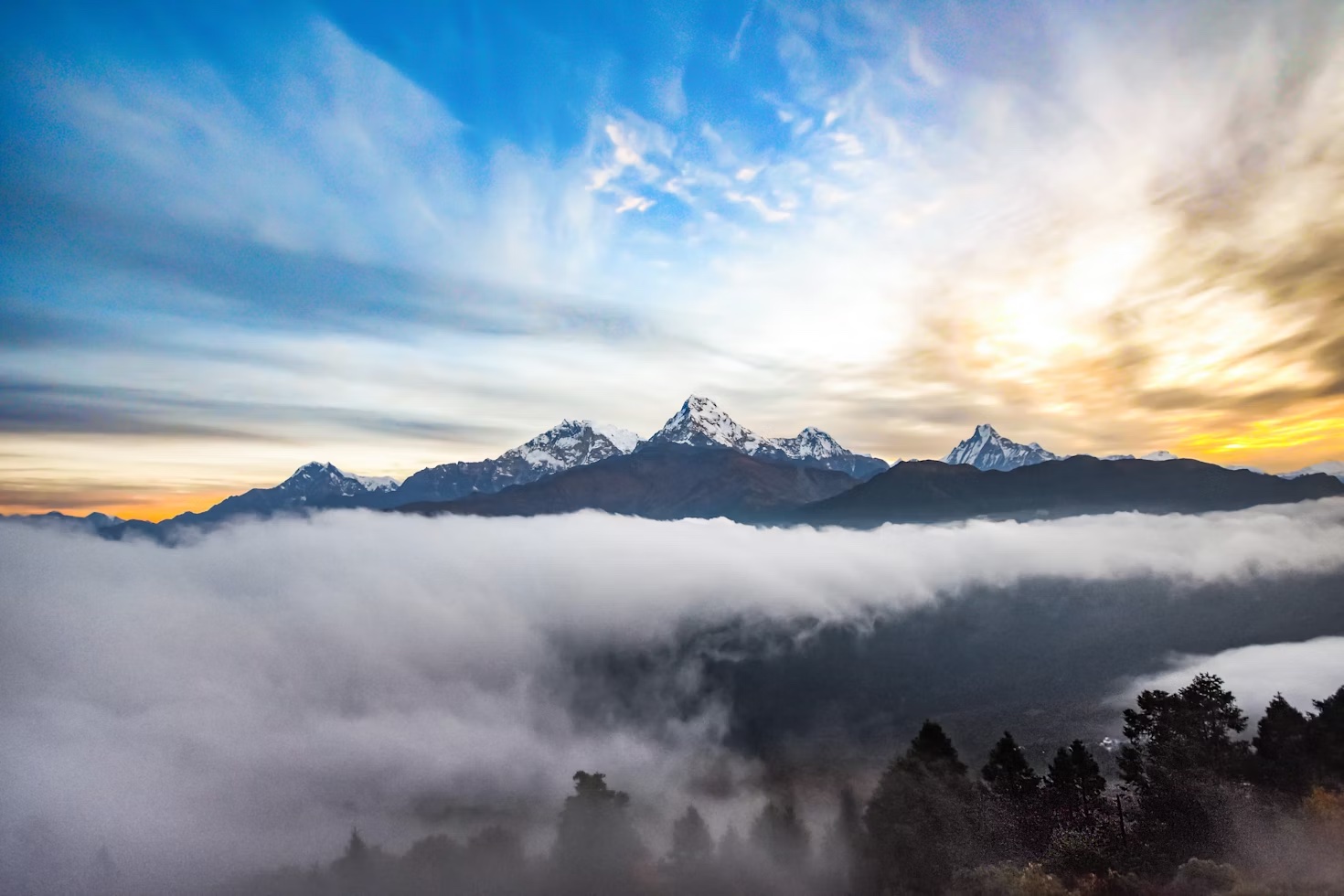
Nepal is a deeply spiritual country, and the mountains themselves hold profound religious significance for the people who live in and around them. Responsible trekking in Nepal includes understanding and respecting that.
A few things worth knowing:
Walk clockwise around stupas and mani walls. These stone walls inscribed with Buddhist prayers are found on trails throughout the Himalayas. The correct direction is always clockwise — it’s a sign of respect that costs nothing.
Dress modestly in villages and near monasteries. What’s comfortable hiking gear in the city might be inappropriate in a traditional Himalayan village.
Learn a few words of Nepali. Namaste (hello, I honour you) goes a long way. So does dhanyabad (thank you). People notice and appreciate the effort.
Ask before photographing. It seems obvious, but it still needs saying. Some people — particularly older women and those in religious dress — may not want to be photographed. Ask first, and accept the answer gracefully.

Why It All Comes Back to Who You Book With
All of this — the waste management, the porter welfare, the cultural sensitivity, the route choices — ultimately comes down to the operator you choose to trek with.
A company that has been working in Nepal for decades, that has genuine relationships with local communities, that takes small groups on carefully selected routes, and that treats local staff with fairness and respect is going to deliver responsible trekking in Nepal in a way that no checklist or guidebook can fully replicate.
At Himalayan Guiding Australia, responsible trekking isn’t a marketing line — it’s the reason we built our routes the way we did. Our treks through Langtang Valley, the Sacred Lakes, and the Mera Peak region have been designed to move thoughtfully through landscapes we care about deeply, with local communities we have real friendships with.
Nepal gives trekkers something rare: the chance to move through one of the most spectacular places on earth and to do it in a way that genuinely matters to the people who call it home. That’s worth doing right.