
Everest Base Camp Trek Cost
What You’ll Actually Pay in 2026
Search “Everest Base Camp trek cost” and you’ll find quotes anywhere from $900 to $5,000+. Both numbers are real — they’re just describing completely different trips. Here’s what actually drives the price, and where the same budget can go further.
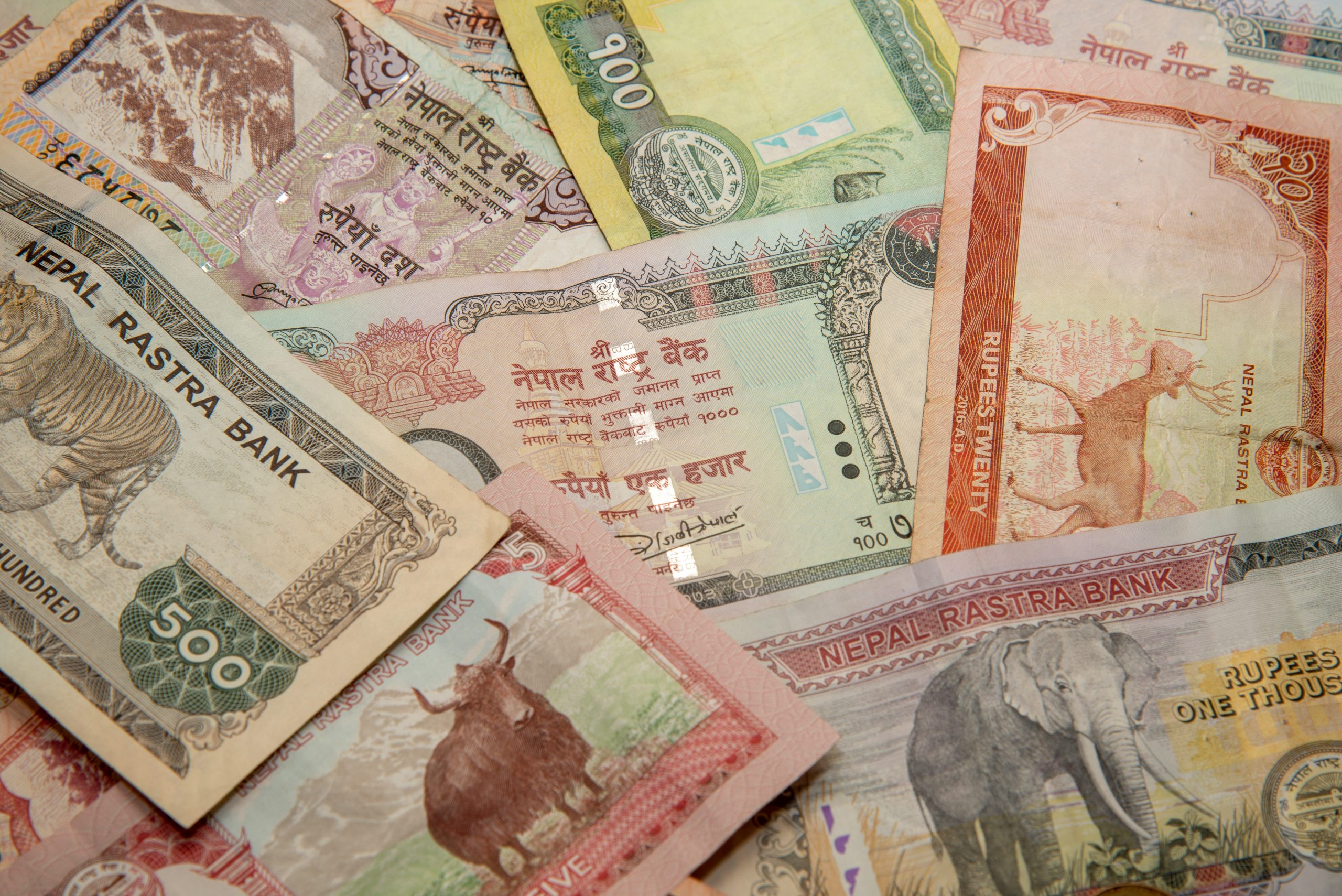
The real cost tiers
- Budget, independent (no guide or porter, DIY permits and teahouses): roughly USD 1,000–1,400. Worth noting — this style of independent trekking is increasingly restricted under Nepal’s tightened guide requirements, so confirm current rules before planning around it.
- Standard guided package (guide, porter, teahouse accommodation, most meals, permits, Lukla flights): roughly USD 1,400–2,500.
- Premium guided (smaller group, better lodges, a more experienced guide): roughly USD 2,500–4,000.
- Luxury with helicopter return: USD 3,500–5,500+.
Most first-timers doing a standard 12–14 day guided EBC trip should budget somewhere around USD 1,800–2,200 all up for a comfortable, well-planned trip — before international flights.
Where the money actually goes
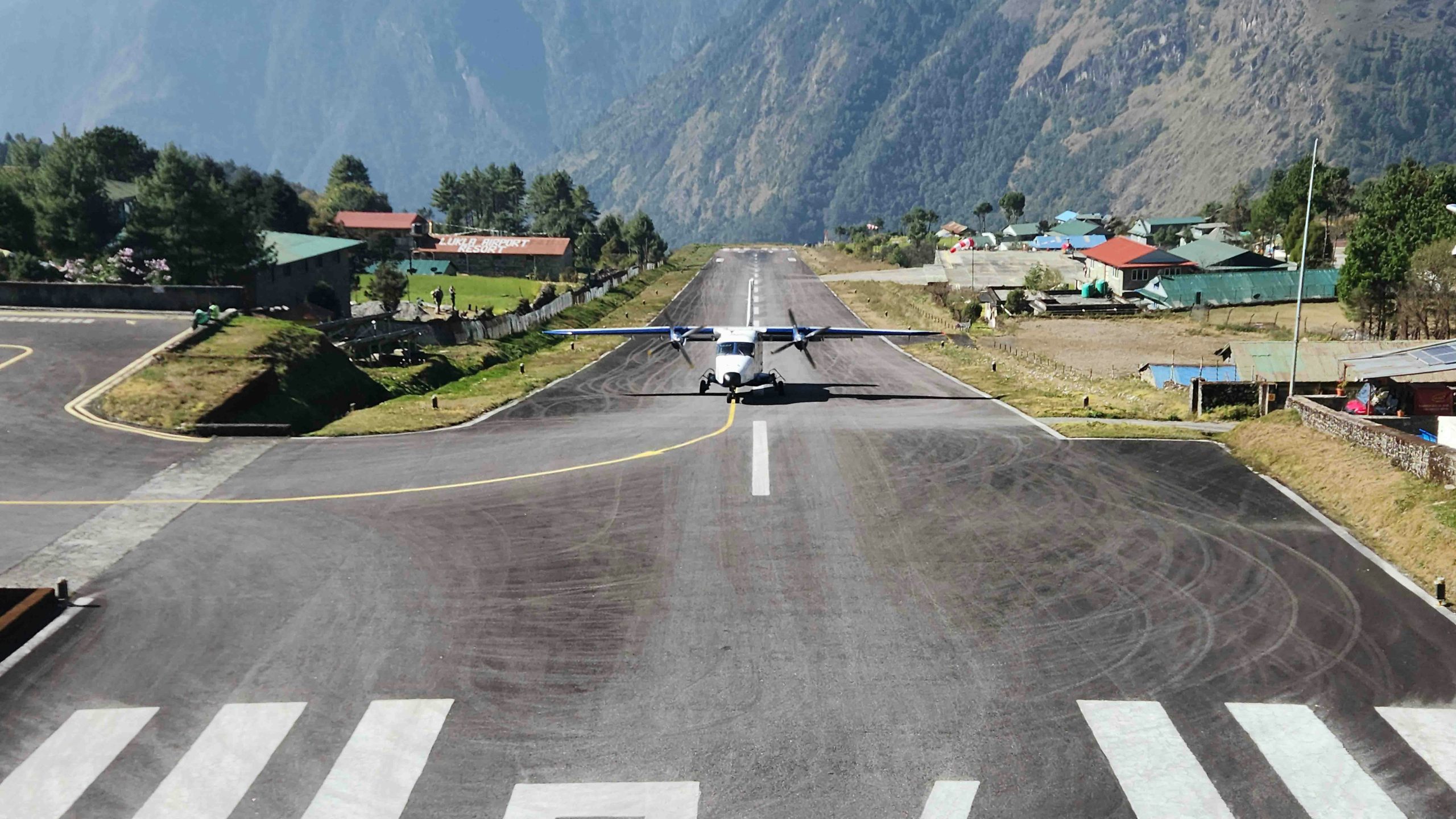
- Lukla flights — round trip Kathmandu–Lukla runs roughly USD 350–420, and it’s also the trek’s biggest logistical bottleneck: bad weather regularly delays flights by days, so buffer nights in Kathmandu are worth budgeting for, not just the ticket itself.
- Guide and porter — a licensed guide costs roughly USD 25–35 a day, a porter USD 20–25 a day, plus their food and accommodation.
- Accommodation and food — teahouse rooms run USD 5–25 a night depending on altitude; meals get noticeably pricier the higher you climb, since everything is carried in by hand.
- Permits — Sagarmatha National Park entry plus local municipality fees, both required.
The cost nobody puts in the breakdown
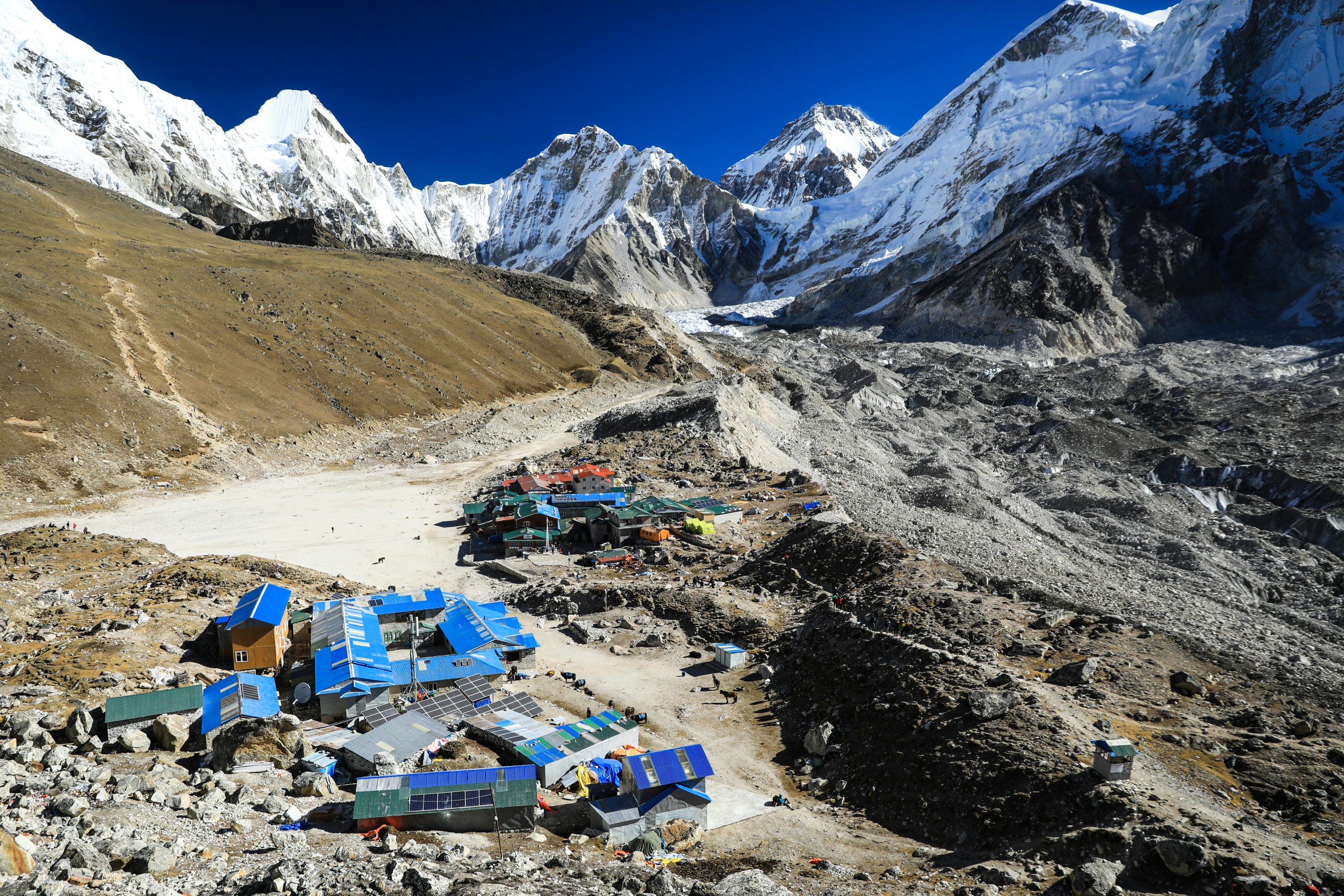
EBC is Nepal’s busiest route by a wide margin — over 40,000 trekkers a year, with peak-season days seeing close to 2,000 people moving through the same valley. A real part of what you’re paying for is capacity under constant strain: Lukla flight delays, teahouses that fill by early afternoon, and food and lodging prices that climb with both altitude and sheer demand.
Put the same budget toward a guided trek in a quieter region and it tends to stretch further — smaller crowds mean guides, porters and teahouses aren’t stretched thin, and you’re not paying a premium tied to one mountain’s name recognition. We’ve built our trekking programme around the Lower Manaslu region for exactly this reason — see what we run there, including the Himalayan Sacred Lakes Trek, which sits in the same mountain ranges without the Lukla bottleneck or the crowds.
Getting an accurate number for your trip
Cost depends heavily on trek, season and group size, so the most useful next step is a direct quote rather than a generic figure. Browse our treks and retreats, or get in touch for current pricing.
Quick FAQs
Is Everest Base Camp expensive compared to other Nepal treks?
Generally, yes — the mandatory Lukla flights and peak-season demand push it above road-accessible regions like Manaslu or Langtang for a similar trip length.
What’s included in a standard EBC trek cost?
Typically guide, porter, teahouse accommodation, most meals, permits and Lukla flights. International flights, visa, travel insurance and tips are usually separate.
Is there a cheaper way to see the Everest region without the full EBC crowds?
Yes — routes into neighbouring valleys, or trekking a different region entirely like Lower Manaslu, often deliver comparable scenery for less, without the Lukla flight premium.