
Best Time to Trek in Nepal
A Season-by-Season Guide
Nepal doesn’t really have a “wrong” time to trek — it has four very different experiences depending on the month you choose. The right one for you depends on what you’re optimising for: the clearest mountain views, the quietest trails, the warmest days, or simply which of our trips lines up with your leave from work.
Here’s how the four seasons actually compare.
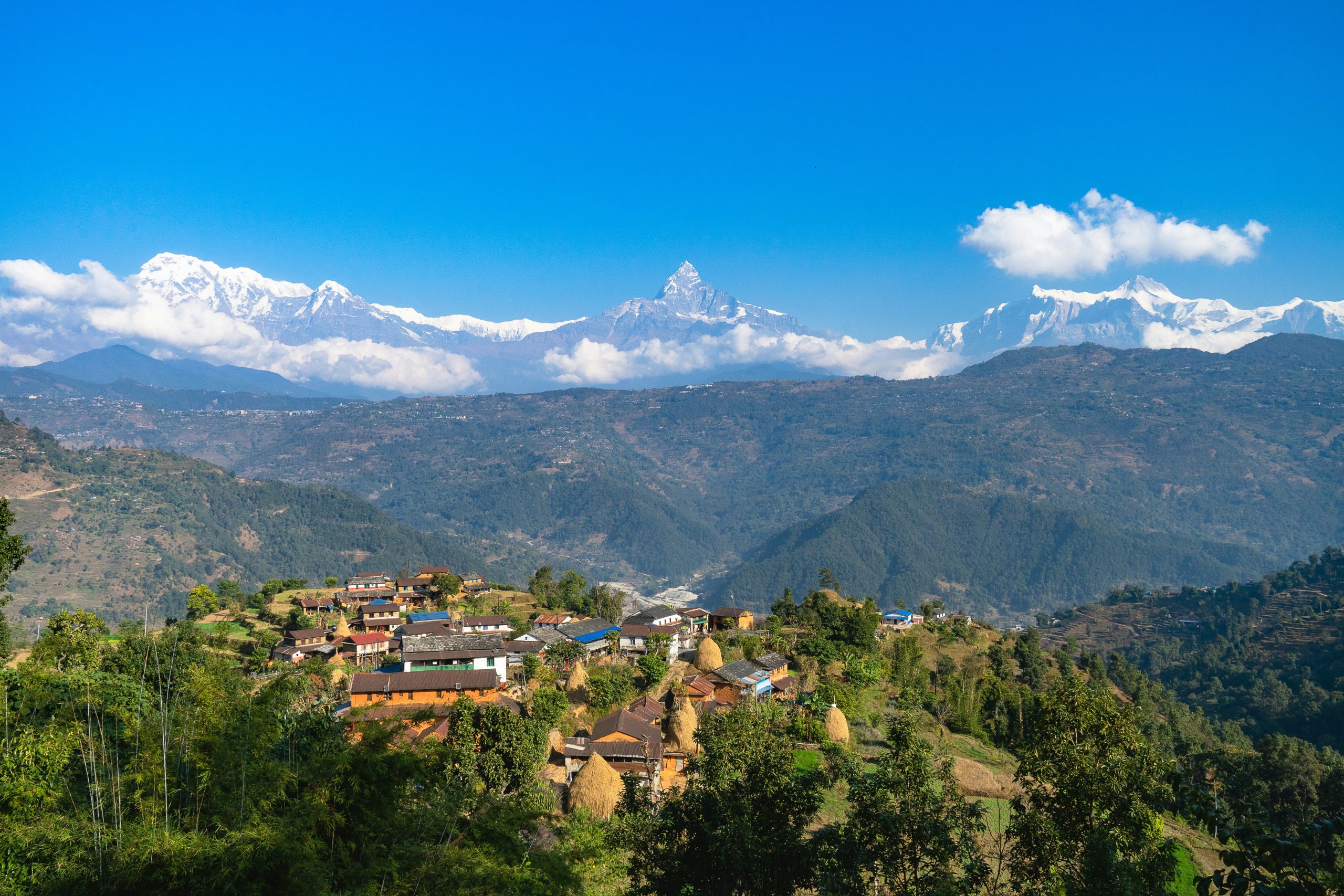
Autumn (September to November): the reliable favourite
Autumn is Nepal’s peak trekking season, and for good reason. The monsoon clears out by mid-September, leaving weeks of dry trails, stable weather and the clearest mountain visibility of the year. October in particular is when the big Himalayan ranges look sharpest against the sky, and it coincides with Dashain and Tihar, Nepal’s two biggest festivals, which adds a genuine cultural buzz to villages along the trail.
The trade-off is popularity. This is when the classic routes are at their busiest, which is exactly why the shoulder weeks — late September or mid-to-late November — are worth considering if you want autumn’s weather without autumn’s crowds.
Spring (March to May): colour and comfortable days
Spring is the second major season, and many experienced trekkers actually prefer it. Rhododendron forests bloom through March and April, turning entire hillsides pink and white, days are longer, and temperatures are noticeably milder than autumn’s crisp cold. It’s also the main climbing expedition season in the high mountains, which brings its own atmosphere if your route passes near a base camp.
The catch is visibility. By late April and into May, haze and humidity build in the lower valleys, and afternoon cloud can roll in at altitude — so mornings are generally your best window for those long-distance mountain views.
Winter (December to February): cold, clear, and quiet
Winter is the season most first-time trekkers overlook, and it’s genuinely underrated. Daytime skies are often crystal clear at lower and mid elevations, the trails are close to empty, and teahouse owners have far more time for you. The trade-off is real cold — well below freezing overnight above 3,000m — and some high passes can close entirely under snow.
This is precisely why we built our Mera Peak Winter Expedition specifically for this window. Running in the tourist-free off-season means you get Mera Peak and the approach to the Everest region almost entirely to yourselves — a genuinely different experience to the same route in October.
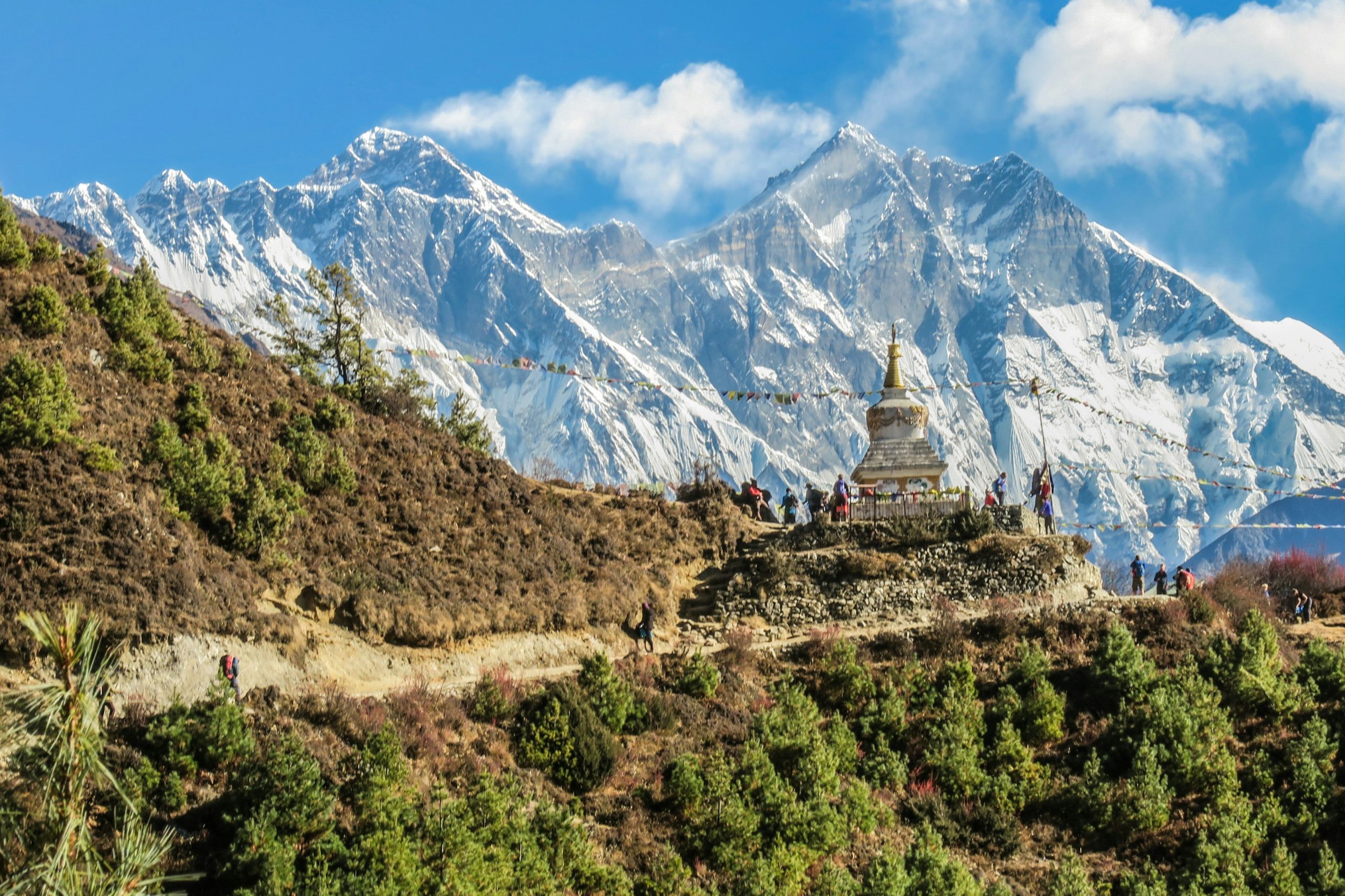
Monsoon (June to early September): the season to generally avoid
Heavy, near-daily rainfall makes most trekking regions muddy, leech-prone and prone to landslip during these months, with persistent cloud cover blocking mountain views for days at a time. We don’t run standard treks through this window, and most operators don’t either — the exceptions are rain-shadow regions like Upper Mustang, which sit behind the Himalayan range and stay comparatively dry year-round, but that’s a different style of trip entirely.
So, which season should you pick?
If it’s your first Himalayan trek and mountain views are the priority, autumn is the safest bet. If you’d rather have warmer days and don’t mind slightly softer visibility, spring is excellent. If solitude matters more to you than almost anything else — and you’re prepared for serious cold — winter treks like Mera Peak reward the trekkers willing to brave them.
Have a look through our full range of treks and retreats to see which season and route combination suits what you’re after, or get in touch and we’ll help you match a departure to your priorities.
Quick FAQs
What’s the coldest month to trek in Nepal?
January is typically the coldest, with high-altitude overnight temperatures well below zero. Lower-elevation treks remain accessible, but high passes are often snowbound.
Can you trek in nepal during monsoon?
Most regions aren’t recommended — trails turn muddy, leeches are common, and mountain views are frequently obscured by cloud. Rain-shadow areas like Upper Mustang are the main exception
Is spring or autumn better for first-time trekkers?
Both suit beginners well. Autumn generally offers more reliable, clearer weather; spring offers milder temperatures and rhododendron blooms, with slightly hazier long-distance views later in the season.