
Altitude Sickness in Nepal
Symptoms, Prevention & Safety
It’s the question we get asked more than almost any other, and it deserves a straight answer: yes, altitude affects everyone in the Himalayas, and yes, it’s manageable with the right approach. Understanding what’s actually happening to your body — and what to watch for — is the difference between a minor headache you manage sensibly and a genuine medical emergency.
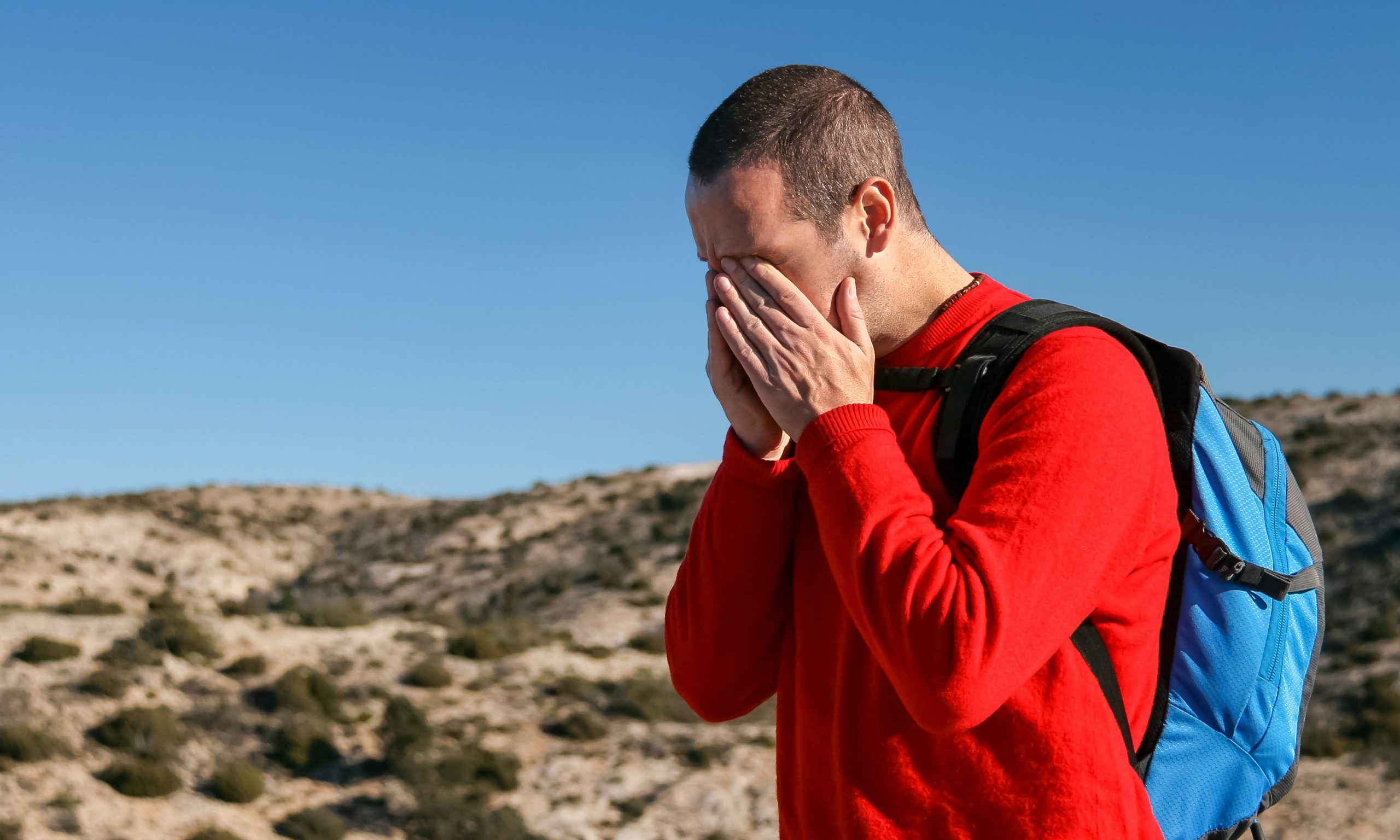
What altitude sickness actually is
Acute Mountain Sickness (AMS) happens when your body hasn’t had time to adjust to reduced oxygen and lower air pressure as you gain elevation. It isn’t about fitness — even very fit, young trekkers can get AMS if they ascend too quickly, while older, slower trekkers who pace themselves properly often do fine. Symptoms typically start to appear above roughly 2,500–3,000 metres, which is well within range on most of Nepal’s classic trekking routes.
Symptoms to know
Mild AMS usually shows up as a persistent headache, unusual for you, along with nausea, fatigue, dizziness or trouble sleeping — generally within six to twelve hours of reaching a new altitude. These symptoms are common and, on their own, aren’t a reason to panic.
What matters is what happens next. If symptoms are getting worse rather than better with rest — particularly vomiting, severe headache, confusion, or breathlessness even at rest — this can signal the more serious forms of altitude illness: HAPE (fluid in the lungs) or HACE (swelling of the brain). Both require immediate descent and shouldn’t be pushed through.
How to prevent it
- Ascend slowly. As a general guide, once you’re sleeping above 3,000m, limiting your net gain in sleeping altitude to around 300–500m per day gives your body time to adjust.
- Stay well hydrated. Aim for 3–4 litres of water a day on the trail — dehydration mimics and worsens AMS symptoms.
- Skip the alcohol and sleeping tablets. Both can suppress breathing overnight, which is exactly the wrong direction at altitude.
- Build in rest days. Proper acclimatisation days at key points on a route aren’t wasted time — they’re what makes the higher sections achievable.
- Talk to your doctor before you go. Some trekkers discuss preventive altitude medication with their GP or a travel health clinic ahead of departure — this is a conversation worth having early, well before your trip, rather than something to figure out on the trail.
The golden rule
If symptoms are worsening rather than easing, the only real treatment is descent — even a drop of a few hundred metres can make a significant difference. No summit, viewpoint or itinerary is worth pushing through moderate or severe symptoms.
Why experienced guides matter here
This is one area where a small, experienced guiding team earns its keep. Our guides watch for the early, easy-to-miss signs — changes in appetite, walking rhythm, mood, or how someone’s responding in conversation — often before it shows up as a textbook symptom. Combined with sensibly paced itineraries and genuine acclimatisation days built into every trek, this is exactly the kind of oversight that turns “high-altitude trekking” from a risk into simply something you prepare properly for. You can see how our grading system accounts for this on our Trip Gradings & Training page.
Quick FAQs
What altitude does altitude sickness start at?
Symptoms can appear from around 2,500m, though most people notice effects more clearly above 3,000–3,500m. Individual susceptibility varies widely and isn’t linked to fitness or age.
Can fit young people still get altitude sickness?
Yes. Fitness affects your cardiovascular efficiency, not your body’s rate of acclimatisation. Ascending too fast is the real risk factor, regardless of how fit you are.
What should I do if I get a headache while trekking?
Rest, hydrate, and monitor how you feel rather than pushing on. If it worsens rather than easing, tell your guide immediately and be prepared to descend.
Disclaimer:
This article covers general safety information for people planning to trek at altitude. If you’re managing an existing heart, lung or other medical condition, speak with your doctor before you book.
HOME
ABOUT
BLOG
TRIPS
GALLERY
CONTACT
himalayanguidingaustralia@gmail.com | 0439046347