
How Much Does It Cost to Trek in Nepal?
2026 Budget Guide
“How much does it actually cost?” is the question almost every first-time trekker asks, and it’s a fair one — the cost of trekking in Nepal range anywhere from a few hundred dollars to several thousand, with very little explanation of what’s actually different between them. Here’s where the money genuinely goes.
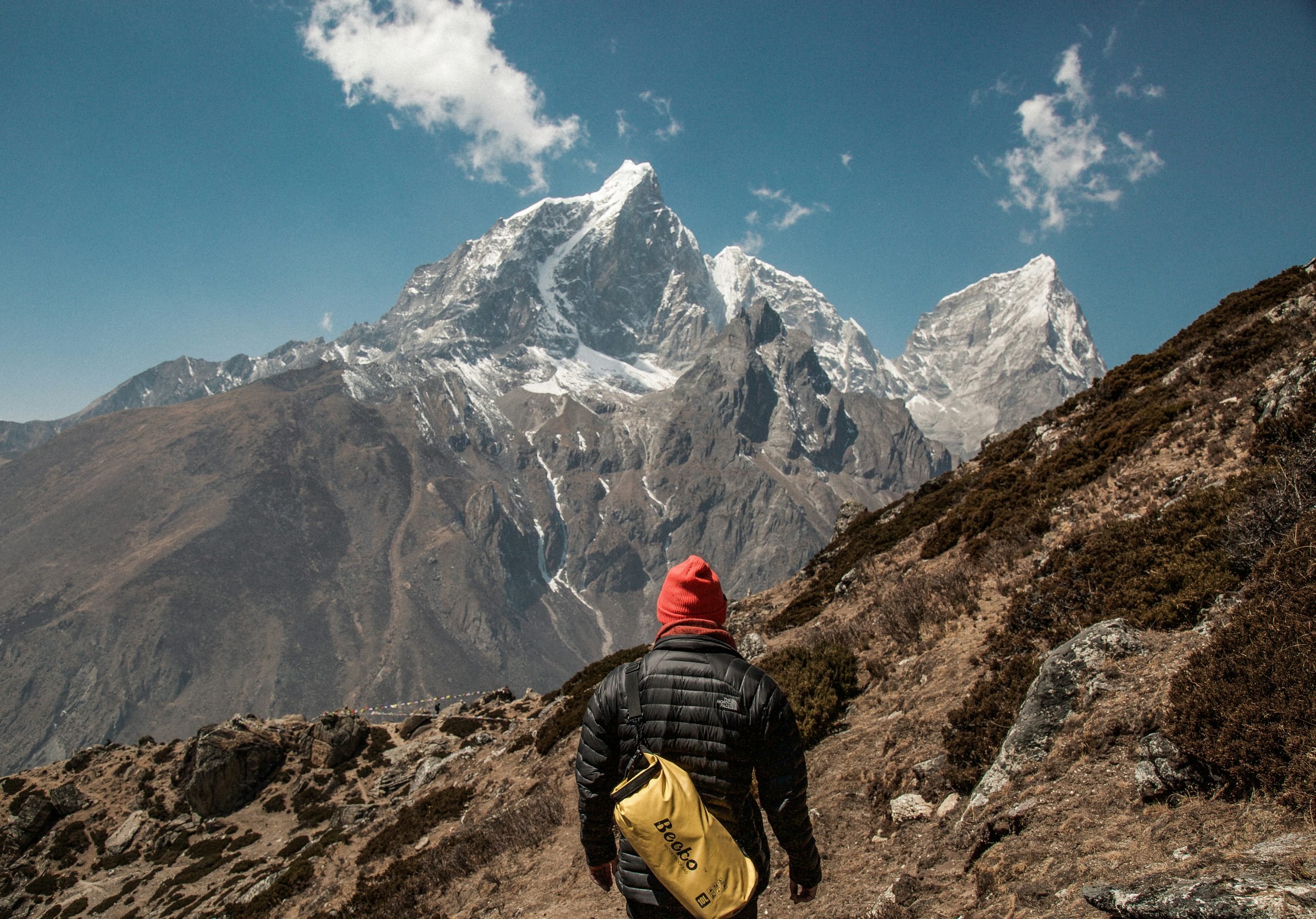
The daily on-trail costs
Once you’re on the trail, your main costs are guiding, accommodation and food. A licensed local guide typically costs somewhere in the region of USD 25–35 a day, and a porter around USD 20–25 a day — figures that reflect fair local wages, not padding. Teahouse accommodation runs roughly USD 5–25 a night depending on altitude and how remote the region is, and meals climb the higher you go, since everything has to be carried in. A simple dal bhat might cost a few dollars in a lower valley and considerably more near a high pass.
Put together, a guided trek with reasonable comfort generally lands somewhere between USD 40–125 per person per day on the trail, before you add the bigger one-off costs below.
The costs people forget to budget for
- Trekking permits and conservation fees — required for most regions, with the exact fee depending on where you’re headed.
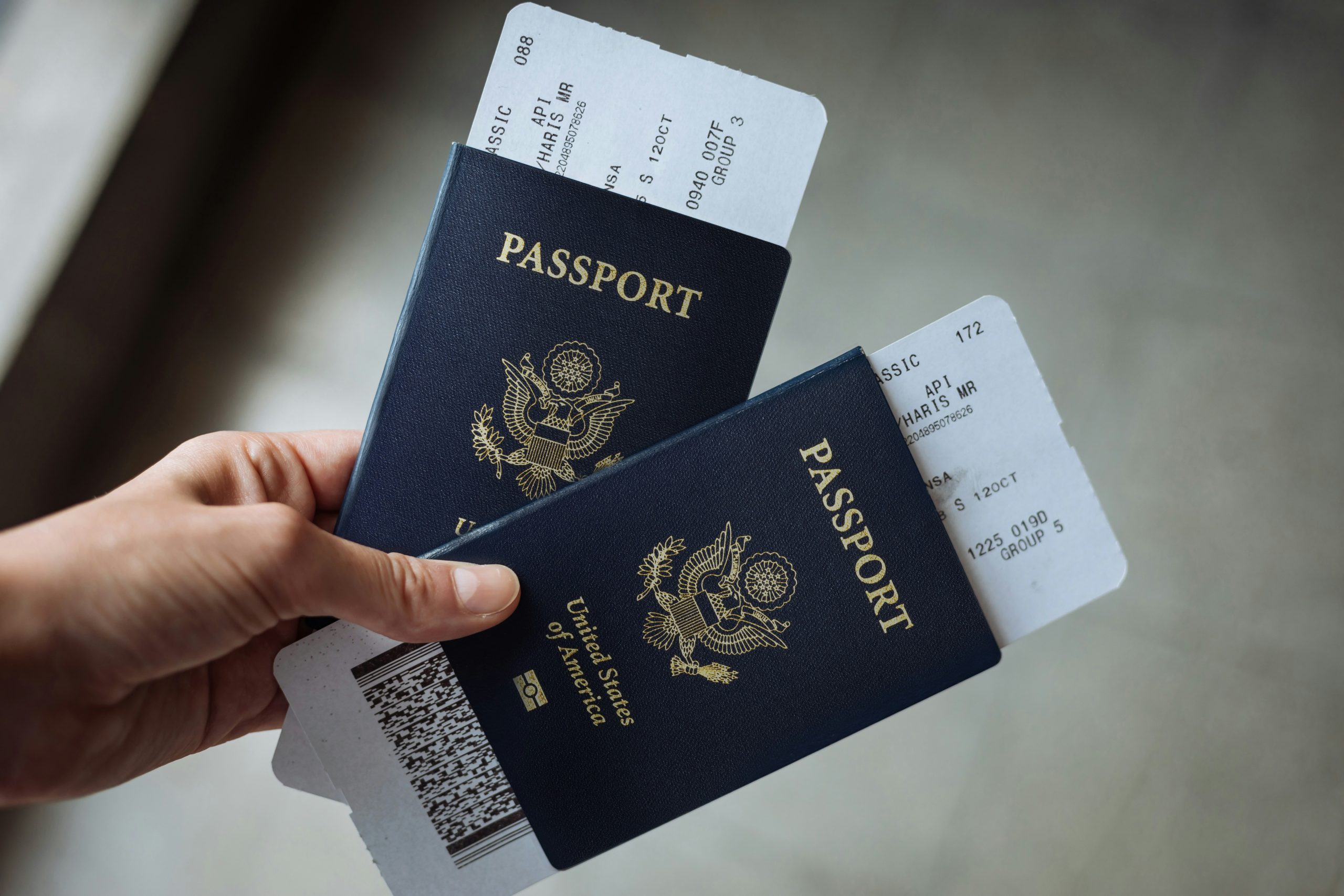
- Nepal visa — USD 30–125 depending on how many days you need (more on this in a later post). See here.
- Travel insurance with high-altitude and evacuation cover — non-negotiable for any trek above a few thousand metres, and one of the few areas where it genuinely doesn’t pay to cut corners.
- International flights to Kathmandu — the single biggest line item for most Australians, and one that varies enormously by season and how far ahead you book.
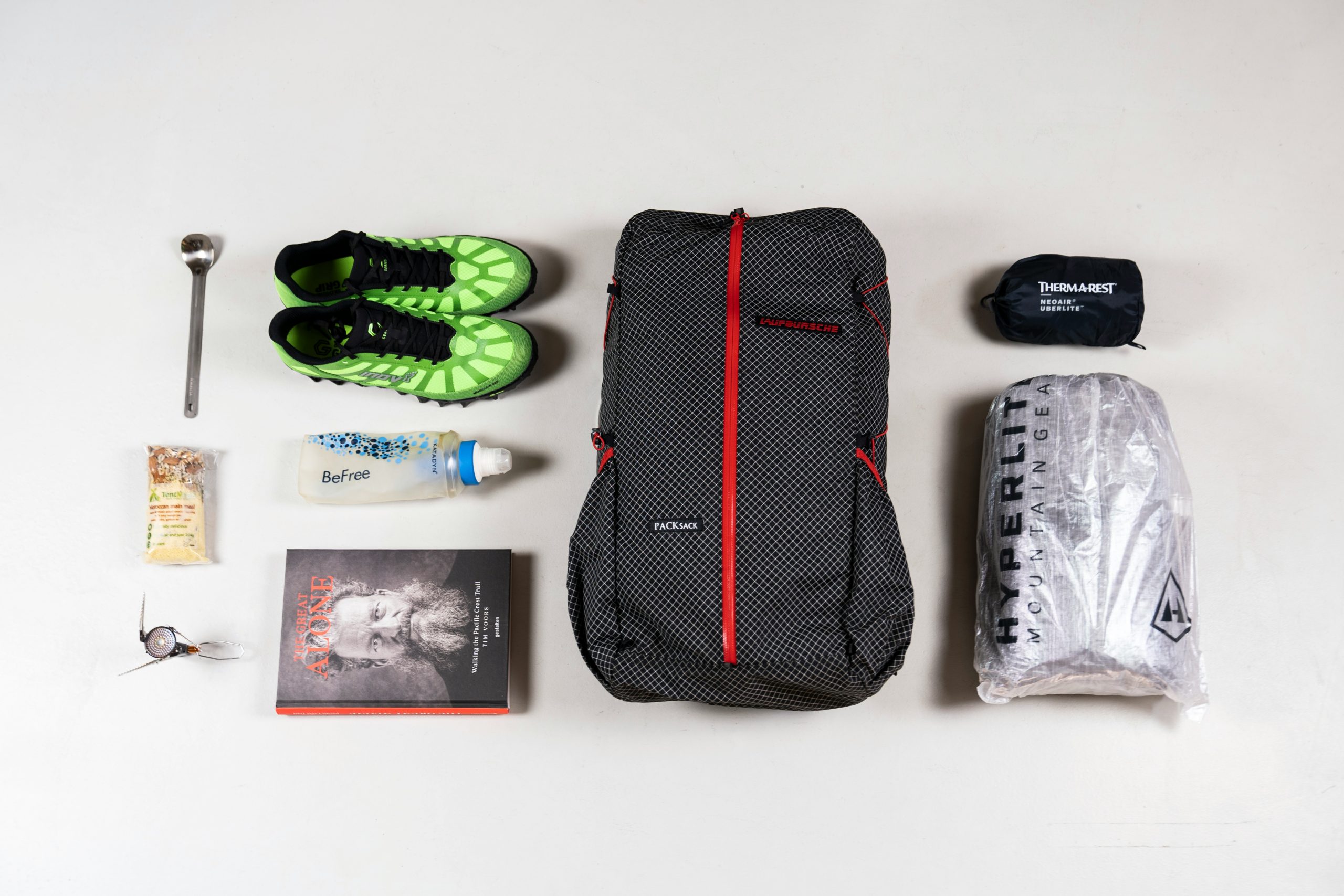
- Gear — buy what you’ll reuse (boots, a good daypack), and consider renting or buying cheaply in Kathmandu for items like down jackets or sleeping bags that are excellent value locally.
- Tips — customary for guides and porters, and worth budgeting for separately rather than assuming it’s included.
What a package price does and doesn’t include
This is where trekkers most often get caught out. A “trek package” price from a reputable operator generally covers your guide, porter, teahouse accommodation, meals on the trail, permits, and internal transfers. It almost never includes your international airfare, travel insurance, Nepal visa, or personal spending in Kathmandu before and after the trek. When you’re comparing quotes between operators, the real comparison isn’t the headline price — it’s what that price actually includes, and who’s carrying and being paid for the work.
Why the cheapest quote isn’t always the better deal
It’s tempting to chase the lowest number, but a package that looks unusually cheap is sometimes cutting costs somewhere that matters — underpaying guides and porters, skipping insurance for its own staff, or trimming acclimatisation days to shorten the itinerary. We keep our groups small (generally 4–10 people), pay our Nepali team directly and year-round rather than through agencies, and build proper acclimatisation into every itinerary — all of which shapes the price, but also shapes how safe and well looked-after you’ll be on the trail.
Getting a real number for your trip
Because cost depends so heavily on which trek, how many days, and what season you choose, the most useful next step is a direct conversation rather than a generic figure. Have a look at our treks and retreats for a sense of what’s on offer, or contact us directly for current pricing on the trek you’re considering.
Quick FAQs
Is trekking in Nepal expensive?
Compared with equivalent guided treks in the European Alps, Patagonia or New Zealand, Nepal is genuinely good value — but it’s not as cheap as ultra-budget backpacker content sometimes suggests once flights, insurance and permits are factored in.
What’s not included in a Nepal trek package price?
Typically your international flights, Nepal visa, travel insurance, tips, and personal spending in Kathmandu before or after the trek.
How much should I tip my guide and porter?
Tipping is customary and expected in Nepal’s trekking industry. It’s worth asking your operator for current guidance, since appropriate amounts vary by trek length and group size.